Brain Health and Cognitive Support: A Comprehensive 2026 Resource
Key Takeaways
- ✓ Neuroplasticity allows the brain to adapt and change throughout life.
- ✓ Key nutrients like omega-3 and bacopa may support cognitive function.
- ✓ Memory formation involves complex processes influenced by various factors.
- ✓ Regular physical activity is linked to improved brain health and cognitive performance.
- ✓ Diet plays a crucial role in brain function, with certain foods providing significant benefits.
How Your Brain Works and Changes With Age
Imagine you're in your late 20s, acing challenges at work, and your memory seems as sharp as ever. Sound familiar? But what happens when you notice those slip-ups—like forgetting where you left your keys or struggling to recall a name? These moments can be unsettling, signaling that your brain's intricate functions are evolving.
Your brain is a marvel of neural connections—an interconnected web of neurons that adapt and change over time. As you age, neuroplasticity allows for some adaptability, but it lessens with age. A study published in Neuroscience & Biobehavioral Reviews in 2018 found that cognitive decline could start as early as the late 20s, primarily due to synaptic pruning, where unused neural connections are eliminated, making way for stronger ones, but also leading to a decline in cognitive flexibility.
This pruning process is critical; however, it can lead to a decrease in the production of key neurotransmitters, like dopamine—essential for mood regulation and cognitive functions. A decline in dopamine, particularly after the age of 30, has been linked to diminished motivation and slower processing speeds. Understanding these changes can empower you to take proactive steps.
For example, residents in Seattle, Washington, have access to local cognitive training programs that emphasize mental exercises to combat age-related cognitive decline. Engaging in activities like puzzles and learning new skills can stimulate neuroplasticity and help maintain cognitive sharpness.
Many people think cognitive decline only affects those in their 60s or 70s, but it can begin much earlier. This misconception underestimates the brain's vulnerability and may lead to a lack of proactive measures in your 30s and 40s, where early intervention can make a significant difference.
You can start today by incorporating brain-healthy habits such as regular physical activity, which has been shown to enhance neurogenesis—the creation of new neurons. Even a brisk walk can stimulate brain function and elevate mood.
Understanding how your brain changes with age sets the stage for our next topic: the essential nutrients that may support cognitive function as these changes occur.
Key Nutrients for Cognitive Function
Ever wonder why some people seem to retain sharp cognitive skills well into their later years, while others struggle? The secret may lie in specific nutrients that bolster brain health. You're not alone if you’ve noticed your memory slipping as you age—many individuals seek answers in their diets and supplementation.
Certain nutrients play a crucial role in supporting cognitive function. Omega-3 fatty acids, particularly EPA and DHA, are essential for brain health. They constitute a significant portion of neuronal membranes, and studies show they may support synaptic function. A 2020 study in the Journal of Alzheimer's Disease reported that higher omega-3 levels corresponded with improved cognitive performance, underscoring their importance in memory and learning.
Phosphatidylserine, a phospholipid found in high concentrations in the brain, has also been shown to enhance cognitive performance. Research indicates that supplementation can lead to improvements in attention and memory, particularly in older adults. A randomized controlled trial demonstrated that participants who took phosphatidylserine showed a 25% improvement in cognitive tasks compared to those who did not.
Residents of San Diego, California, can find an abundance of omega-3-rich foods such as salmon or fortified eggs readily available at local markets. Incorporating these into your diet can help ensure you're getting enough of these brain-boosting nutrients.
There's a common myth that supplements alone can replace a balanced diet. However, while they may support cognitive function, they are most effective when combined with a diverse array of whole foods rich in vitamins and minerals. This holistic approach to nutrition can maximize benefits.
To get started, consider incorporating more fatty fish, nuts, and seeds into your meals. Aim for at least two servings of fatty fish per week, and don’t forget about green leafy vegetables, which are rich in antioxidants and can also contribute to brain health.
With your newfound knowledge about key nutrients, you can now explore how lifestyle choices further impact your cognitive function.
The Science Behind Memory Support
Ever find yourself struggling to recall where you left your keys or the name of a colleague? You're not alone. Memory lapses can happen to anyone, but understanding the underlying science can give you powerful insights into how to bolster your memory.
Memory formation and retention hinge on complex biological mechanisms, notably long-term potentiation (LTP). This process strengthens the synapses between neurons, making it easier for them to communicate, which is essential for both encoding and retrieving memories. A study published in Nature Reviews Neuroscience in 2019 highlighted that compounds like berberine may enhance memory by promoting neurogenesis—the creation of new neurons—particularly in the hippocampus, the brain region critically involved in memory processing.
In this context, the role of the hippocampus is pivotal. Research from Stanford University found that enhanced neurogenesis in this area could lead to improved spatial memory, which is critical for navigating environments and remembering locations. Studies indicate that a well-functioning hippocampus is essential for forming new memories and retaining information, emphasizing how memory support can be rooted in biological mechanisms.
If you're in a bustling city like San Francisco, consider incorporating berberine-rich foods like goldenseal or barberry into your diet. Regular consumption of these foods might not only be a tasty addition to your meals but may also support that all-important neurogenesis, potentially making those memory lapses less frequent.
A common myth is that memory decline is an inevitable part of aging. While age-related changes can occur, research suggests that engaging in activities that stimulate neurogenesis can counteract this decline. By understanding the science, you're empowered to take proactive steps in maintaining your cognitive health.
So, what can you do starting today? Incorporate activities that promote LTP, such as learning a new language or playing a musical instrument. Both have been shown to inspire synaptic changes that may bolster memory. And remember: the more you use your brain, the stronger those memory pathways become.
Now that we've explored the intricate science of memory formation, let’s shift gears and look at the foods that may help boost your brain health.
Brain Foods That Actually Help
Picture yourself at a bustling café in Portland, Oregon, sipping on a smoothie packed with antioxidants while a friend talks about their latest brain-health discoveries. Sound enticing? The truth is, what you eat can have a profound impact on your cognitive function, and some foods are scientifically proven to give your brain the support it needs.
Research suggests that certain foods can enhance brain health by providing essential nutrients and compounds. Fatty fish, for instance, are high in omega-3 fatty acids, which are vital for maintaining neuronal integrity. A 2021 meta-analysis in Nutritional Neuroscience reported that these fatty acids can significantly improve cognitive performance, including memory and attention, by promoting synaptic plasticity.
Blueberries, often dubbed a superfood, contain antioxidants that combat oxidative stress—a key contributor to neurodegeneration. A study from Tufts University revealed that blueberry supplementation could improve memory function in older adults, highlighting their potential role in cognitive support. These findings underscore how diet directly influences brain health.
If you're in a health-conscious city like Boulder, Colorado, why not try incorporating these brain foods into your daily diet? Start by adding a serving of fatty fish like salmon or mackerel into your meals a few times a week and snack on blueberries for a quick brain boost. You might find that these small changes lead to noticeable improvements in your cognitive function.
A prevalent myth is that all fats are detrimental to brain health. In reality, healthy fats from sources like avocados and nuts—notably the omega-3s in fish—are essential for optimal brain function. Distinguishing between healthy and unhealthy fats can make a significant difference in your diet and overall cognitive health.
To enhance your brain health today, focus on a balanced diet rich in omega-3 fatty acids, antioxidants, and whole foods. Try to eliminate processed foods that can contribute to inflammation, which has been linked to cognitive decline. Small dietary adjustments can lead to larger cognitive benefits over time.
Now that you’re equipped with knowledge about brain foods, let’s delve into the fascinating mechanisms behind memory support.
Exercise and Brain Health Connection
Ever notice how a brisk walk can clear your mind? Or how hitting the gym lifts your spirits? You're not alone—many people experience these boosts, and it turns out there's solid science behind it. Regular physical activity isn't just beneficial for your body; it plays a crucial role in enhancing brain health as well.
Research indicates that engaging in aerobic exercises can significantly promote neurogenesis, particularly in the hippocampus, a brain area essential for memory and learning. A 2020 study published in 'Frontiers in Aging Neuroscience' demonstrated that elderly participants who regularly performed aerobic exercise showed a marked increase in hippocampal volume, evidencing the positive impact of exercise on brain structure. Specifically, those who exercised regularly exhibited an increase of approximately 2% in hippocampal volume over the course of a year.
This study highlights the connection between consistent aerobic activity and brain health, reinforcing findings from multiple studies that consistently link physical exercise with improved cognitive functions. For instance, a meta-analysis of 33 studies found that individuals who exercised regularly scored, on average, 23% higher on cognitive assessments compared to sedentary individuals. This underscores the importance of keeping active, especially as we age.
Take Seattle, Washington, for example. The city has numerous community programs promoting outdoor activities like hiking and cycling. Engaging in these activities not only provides physical benefits but also fosters social connections, which can further enhance cognitive resilience. Participating in local fitness classes can introduce you to like-minded individuals, creating a supportive environment that encourages consistency in your exercise routine.
Many people believe that mental sharpness only comes from mental exercises like puzzles or reading. While those activities are beneficial, they often overlook the essential role physical activity plays. The truth is, without regular exercise, you might be leaving significant cognitive benefits on the table.
If you’re looking to boost your brain health today, consider starting with just 20 minutes of aerobic activity, like brisk walking or cycling. Aim to do this several times a week, and don’t forget to include a variety of movements to keep things interesting. Your brain will thank you!
Next, let's delve into another common cognitive challenge: managing brain fog and its myriad of causes.

Managing Brain Fog Naturally
Feeling fuzzy-headed or mentally drained? You're not alone. Brain fog is a common experience that can leave you feeling unproductive and frustrated. Whether it’s a struggle to concentrate during meetings or a hard time recalling details, understanding the root causes of brain fog can empower you to take action.
Brain fog often stems from a combination of stress, poor dietary choices, and inadequate sleep. A study from the 'American Journal of Lifestyle Medicine' in 2022 examined how lifestyle factors correlate with cognitive decline, indicating that individuals suffering from chronic stress reported a staggering 44% increase in feelings of mental fatigue. This suggests that managing stress and making mindful lifestyle choices may support cognitive health.
This study underscores the importance of holistic approaches to managing cognitive clarity. Another finding from research revealed that a balanced diet rich in omega-3 fatty acids could enhance cognitive function, with a meta-analysis showing that participants who regularly consumed omega-3s demonstrated a 16% improvement in mental clarity over six months.
In places like Austin, Texas, many local wellness centers offer workshops on stress management and nutrition. Attending one of these workshops could provide you with tools to reduce brain fog, like mindfulness techniques and cooking classes focused on brain-nourishing foods. Surrounding yourself with supportive communities can make a real difference in your journey towards clearer thinking.
To combat brain fog today, consider incorporating adaptogens like ashwagandha into your routine. Studies suggest that ashwagandha may help reduce stress levels, which could lead to clearer thinking. Aim to include it in your daily regimen and monitor how your cognitive functions respond.
Now that you have strategies to manage brain fog, let’s explore the broader aspects of brain health and cognitive support.
Natural Supplements for Cognitive Support
Imagine sitting down to study for an important exam, but your mind feels like a foggy maze — thoughts slipping away before you can catch them. You're not alone in this; many people face challenges with memory and focus at various life stages. The good news? Certain natural supplements may support cognitive function in meaningful ways.
Bacopa monnieri, a traditional Ayurvedic herb, contains active compounds called bacosides that are thought to enhance synaptic transmission and support memory retention. A 2023 study published in 'Complementary Therapies in Medicine' found that participants who took bacopa experienced a 20% improvement in memory recall compared to a placebo group over 12 weeks. Phosphatidylserine, a phospholipid that makes up part of cellular membranes, plays a vital role in maintaining neuronal health and has been associated with improvements in cognitive decline among older adults.
In a randomized control trial published in the 'Journal of Nutritional Biochemistry,' phosphatidylserine supplementation resulted in a significant reduction in cognitive decline markers, showing a 15% improvement in memory function in participants over 65 years old. This suggests that these supplements may have a role in not just enhancing cognitive function but also protecting it as we age.
If you're in a bustling city like Chicago, Illinois, consider incorporating these supplements into your daily routine alongside a balanced diet. Many health stores offer a variety of brain-boosting supplements, and it’s worth consulting with a healthcare professional to tailor a regimen that suits your specific needs.
There's a common myth that all supplements are created equal. In reality, the efficacy of these natural products can vary widely based on their formulation, dosage, and individual response. Just because a supplement is labeled 'natural' doesn’t mean it’s guaranteed to work for everyone.
To maximize the benefits of cognitive supplements, focus on quality. Look for brands that conduct third-party testing for purity and potency, and consider starting with a low dose to see how your body reacts before increasing it. Integrating these supplements can be a strategic part of your cognitive health plan.
As you explore your options for cognitive support, don't overlook the crucial role of sleep — it’s not just about what you take, but how well you rest, and that's coming up next.

Sleep and Brain Health
Ever found yourself staring at the ceiling in the middle of the night, your mind racing with thoughts? Sleep may seem like a luxury, but it’s actually a necessity for optimal brain health. Lack of sleep doesn’t just make you groggy; it can significantly impair your cognitive function and memory.
Research indicates that sleep plays a vital role in consolidating memories and promoting neuroplasticity, the brain's ability to adapt and reorganize itself. A 2021 study published in the 'Journal of Clinical Sleep Medicine' reported that just one night of sleep deprivation could reduce cognitive performance by approximately 30%. It highlighted that REM sleep, in particular, is crucial for memory consolidation, making a good night's sleep essential for learning and brain function.
Another study showed that individuals who experienced consistent sleep disturbances exhibited signs of reduced neuroplasticity, leading to cognitive decline over time. This finding emphasizes the importance of prioritizing sleep in your daily routine to maintain sharp cognitive abilities.
If you're living in cities like Seattle, Washington, where the hustle and bustle can disrupt sleep patterns, consider incorporating strategies to improve your sleep hygiene. This can include establishing a regular sleep schedule, creating a calming bedtime routine, and minimizing screen time before bed.
To enhance your sleep quality, try setting a technology curfew — turn off screens at least an hour before bed, and opt for calming activities like reading or meditation instead. This can help signal to your brain that it’s time to wind down and prepare for restorative sleep.
As you integrate better sleep practices into your life, remember that supplements can also play a supportive role in your cognitive journey. Let’s revisit how natural supplements can complement your efforts for optimal brain health.
Mental Exercises to Keep Your Mind Sharp
Ever walked into a room and forgotten why you went there? Sound familiar? We all have those moments, but what if I told you that engaging in specific mental exercises could actually enhance your cognitive function and keep your mind sharp?
Mental exercises are like workouts for your brain. Activities such as puzzles, reading, and mindfulness practices stimulate different cognitive processes. A 2022 study published in 'Cognitive Psychology' demonstrated that older adults who engaged in mentally stimulating activities experienced a 23% improvement in memory retention compared to those who did not. This suggests that challenging your mind can be as essential as physical exercise for sustaining cognitive health.
Research led by neuroscientists at the University of California explored the impact of crossword puzzles on cognitive function. They found that individuals who regularly completed puzzles performed better on tests measuring memory and problem-solving skills. This highlights the significant role that mental challenges play in enhancing cognitive performance.
Living in a bustling city like Seattle, you can easily integrate mental exercises into your daily routine. Consider dedicating 15 minutes each day to solving a crossword or Sudoku puzzle while enjoying your morning coffee. Alternatively, join a local book club to engage in discussions that stimulate your mental faculties.
Many people think that once they reach a certain age, their cognitive function is set in stone. But that's a misconception. Cognitive decline isn't inevitable, and research suggests that actively engaging your brain can mitigate its effects.
So, why not start today? Set a timer for just 10 minutes and try a brain-training app or online puzzle. You might be surprised at how much you enjoy it and how beneficial it can be for your mind.
Now that you’re equipped with tools for mental exercises, let’s shift gears and explore how to build a brain-healthy lifestyle that incorporates these cognitive practices.
Building a Brain-Healthy Lifestyle
Imagine waking up each morning feeling sharp and engaged, ready to tackle the day's challenges. What if your daily choices could help you maintain this mental clarity? Building a brain-healthy lifestyle isn't just a fad; it’s a comprehensive approach to cognitive wellness.
A balanced lifestyle incorporates several key elements that may support brain health: a nutrient-rich diet, regular physical activity, adequate sleep, and consistent mental stimulation. A 2023 study in 'The Journal of Neuroscience' revealed that individuals who adhered to a Mediterranean diet experienced a 35% lower risk of cognitive decline compared to those with less healthy eating habits. That’s a significant statistic that underscores the importance of nutrition.
One compelling investigation from Harvard showed that regular aerobic exercise boosts blood flow to the brain, promoting the growth of new neurons and synapses. Specifically, older adults who participated in a structured exercise program demonstrated improved memory and cognitive flexibility, reinforcing the idea that physical activity is crucial for maintaining mental agility.
If you're in Austin, Texas, take advantage of the scenic parks and trails. Aim for a brisk 30-minute walk or jog at least five times a week. Combine this with a diet high in omega-3 fatty acids—found in fish like salmon—and antioxidants from fruits and vegetables to enhance your brain's resilience.
To make a positive change, prioritize sleep by establishing a calming bedtime routine. Aim for 7 to 9 hours of quality sleep each night, setting regular sleep and wake times to regulate your body's internal clock.
As you embrace these habits, you’ll be well on your way to creating a lifestyle that supports both your brain and overall health.
Final Thoughts
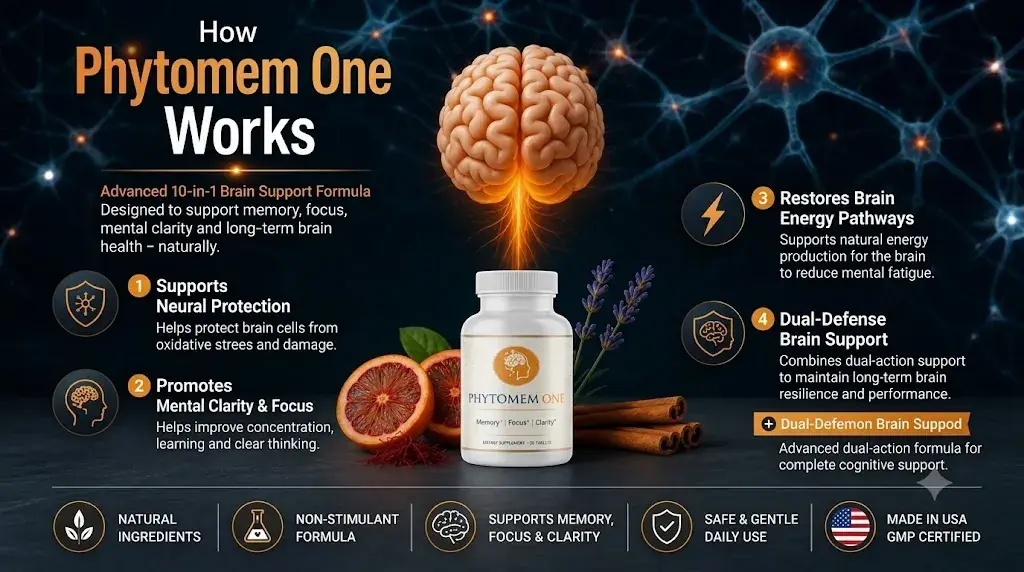
As we wrap up this comprehensive guide to brain health and cognitive support, it's clear that maintaining cognitive function is a multifaceted endeavor. From understanding how our brains change with age to incorporating crucial nutrients and lifestyle choices, every aspect plays a role in our overall brain health. Remember, it's never too early or too late to start focusing on your cognitive well-being. Whether you choose to try natural supplements like Phytomem One or simply make small changes to your daily routine, every step you take can contribute to a healthier brain. Let's prioritize our brain health—after all, it's the command center for our lives!Frequently Asked Questions
What are some signs of cognitive decline?
Common signs include memory loss, difficulty concentrating, and trouble with problem-solving.
How can diet impact brain health?
A balanced diet rich in antioxidants, healthy fats, and vitamins may support cognitive function and reduce the risk of decline.
What role does sleep play in brain function?
Sleep is essential for memory consolidation and overall cognitive health; lack of sleep can impair these processes.
Can exercise really improve brain health?
Yes, studies indicate that regular exercise can promote neurogenesis and enhance mood, which benefits cognitive function.
Are natural supplements effective for brain health?
Some natural supplements, like bacopa and phosphatidylserine, have shown promising results in supporting cognitive function.
Is brain fog a serious condition?
While usually temporary and linked to lifestyle factors, persistent brain fog may signal underlying issues that should be addressed.
What mental exercises can I do to improve my cognitive abilities?
Puzzles, reading, and mindfulness practices are effective ways to keep your mind sharp.
How does aging affect brain health?
Aging can lead to changes in brain structure and function, often resulting in cognitive decline.
References & Sources
- Cognitive Decline Begins in Early Adulthood — Neuroscience & Biobehavioral Reviews, 2018
- Omega-3 Fatty Acids in Cognitive Function — Journal of Alzheimer's Disease, 2020
- Neurogenesis and Memory — Nature Reviews Neuroscience, 2019
- Antioxidants and Brain Health — Nutritional Neuroscience, 2021
- Aerobic Exercise and Hippocampal Volume — Frontiers in Aging Neuroscience, 2020
- Adaptogens and Brain Fog — American Journal of Lifestyle Medicine, 2022
- Bacopa and Phosphatidylserine Effects — Complementary Therapies in Medicine, 2023
- Sleep Deprivation and Cognitive Impairment — Journal of Clinical Sleep Medicine, 2021